Beethoven from a New Perspective: Forensic Facial Approximation, Anthropometry, High Abilities, and Genius
Attention
This material uses the following Creative Commons license: Attribution 4.0 International (CC-BY 4.0).
Abstract
This study presents an interdisciplinary approach to explore the life and legacy of Ludwig van Beethoven, one of the greatest composers in history. Using forensic facial approximation techniques, a three-dimensional reconstruction of the composer’s face was created based on historical photographs of his skull, with authorization kindly granted by the Beethoven-Haus Bonn, introducing a new perspective on the visualization of historical figures. This work also marks the first documented measurement of the composer’s cranial capacity and head circumference. Additionally, it presents the first rigorous meta-analysis of his height, based on bone measurements from the 1863 exhumation, improving previous estimates with greater methodological precision. Complementarily, this article proposes the first systematic academic analysis of Beethoven’s intelligence and genius, integrating historiometry and contemporary concepts of high abilities/giftedness. This approach not only sheds light on the impact of his work but also contextualizes the personal challenges, such as progressive deafness, that shaped his artistic production. By combining forensic science, anthropometry, and psychology, this study offers a unique perspective on Beethoven’s complexity, highlighting his resilience, creativity, and a legacy that continues to inspire generations.
Keywords: Forensic facial approximation, Anthropometry, Cranial capacity, High abilities, Genius, Beethoven
Attention
Should you encounter any errors in the text, kindly report them to the author; he may be contacted through the academic social media platforms mentioned at the beginning of the chapter.
Introduction
A Brief Biography
Beethoven’s life, filled with emotional highs and lows, was intensely turbulent, reflected both in his music and his personal relationships. This narrative, based on Fauconnier (2013) [Faucconier_2013_d], seeks to avoid the hagiography adopted by many biographers, who idealized Beethoven as an untouchable hero, and instead opts for a more human approach, highlighting his struggles and achievements without romanticizing them. For a more comprehensive understanding, it is recommended to consult other authors who may offer complementary perspectives on the composer’s complex journey.
Ludwig van Beethoven, the grandfather (1712–1773), was a musician from Flanders (present-day Belgium) who moved to Bonn in 1732, then part of the Electorate of Cologne, a state of the Holy Roman Empire (now part of Germany). In Bonn, he distinguished himself as a musician in the local court chapel and later became Kapellmeister. To supplement his income, he also managed a small wine trade, which helped support his family. Of his children, probably only one, Johann van Beethoven, survived to adulthood. Ludwig, the grandfather, dedicated himself to passing on his musical knowledge to his son.
Johann van Beethoven, though talented, faced personal difficulties, including struggles with alcoholism. He married Maria Magdalena Keverich, a union that, though initially disapproved of by some due to Maria’s social circumstances, resulted in a family. Of their children, three survived to adulthood, with Ludwig van Beethoven, baptized on December 17, 1770, in Bonn, being the eldest of the surviving brothers but the second child of his parents, named after his grandfather.
Johann recognized Ludwig’s exceptional musical talent early on and sought to promote him as a prodigy, inspired by the success of Wolfgang Amadeus Mozart. To further highlight his son’s abilities, Johann even presented Ludwig as younger than he actually was, a common practice at the time to emphasize precocity. This age discrepancy was later discovered by Beethoven around 1810. From a young age, Ludwig van Beethoven displayed traits of an intense personality, later described as impetuous, characteristics that would become defining in adulthood. The musical training imposed by his father, Johann, who struggled with alcoholism, was rigorous and often exhausting. There are accounts of an episode where Johann and a fellow musician woke Ludwig at night for piano lessons, bringing him to tears—a rare practice that reflected the pressure placed on the young boy. Despite the demanding and sometimes detrimental routine to the family’s emotional well-being, Beethoven’s musical abilities did not go unnoticed. He developed a genuine passion for music, excelling as a pianist and organist and composing his first works as a teenager. The death of his mother, Maria Magdalena, in 1787 deeply affected him, and Johann’s erratic behavior forced Beethoven, at the age of 18, to take on the responsibility of head of the family in Bonn. His talent impressed Christian Gottlob Neefe, his main teacher, who encouraged him to refine his techniques and introduced him to the local music scene. It was Neefe who proposed that the city fund Beethoven’s trip to Vienna, the main musical center of Europe at the time, to further his studies and career.
Beethoven left Bonn for Vienna in November 1792, and his father, Johann, died shortly after in December 1792, where he quickly distinguished himself as a piano virtuoso, earning the admiration of the local nobility, who soon began to sponsor him. There, amidst moments of great joy and ardent, often unrequited, passions that deeply marked his life, the composer carried the scars of his losses, particularly that of his mother in 1787. His brothers, Kaspar Anton Karl and Nikolaus Johann, joined him in Vienna, where they sometimes became a source of emotional tension. With an intense personality, Beethoven alternated between bouts of frustration and moments of deep tenderness toward his brothers, often driven by a mix of irritation and regret.
His reputation as a piano virtuoso and innovative composer led him to study under Joseph Haydn, with whom he honed his compositional techniques. His intense personality and unique style attracted influential patrons, such as Prince Lichnowsky, who provided financial support. He quickly gained recognition with works such as the Piano Sonatas, Op. 2 (1795), dedicated to Haydn, which revealed his harmonic boldness, and the First Piano Concerto (1795, revised in 1800), which solidified his fame as a soloist. His Dressler Variations and Piano Trios, Op. 1 (1795), also impressed with their originality. Around 1798, Beethoven began to notice the first signs of deafness, a condition he initially tried to conceal but which caused him anguish and marked a turning point in his life and work. Despite this, he continued to compose with vigor, producing the Pathétique Sonata, Op. 13 (1799), a masterpiece that combined profound emotion and structural innovation, signaling the genius that would define his career.
By around 1800, with his deafness worsening, Beethoven faced a challenge that deeply shook him both emotionally and professionally. In letters, such as the Heiligenstadt Testament of 1802, he expressed the anguish of progressively losing his hearing, fearing its impact on his career and social life. Nevertheless, this period was one of immense creativity, producing masterpieces like Symphony No. 3, “Eroica” (1804), which revolutionized the symphonic genre with its scale and emotion, and the Moonlight Sonata, Op. 27 No. 2 (1801), marked by its lyrical intensity. His often unrequited passions, such as his affection for Giulietta Guicciardi, to whom he dedicated the Moonlight Sonata, imbued his music with unique emotional depth, though they also brought personal suffering. Symphony No. 5 (1808), with its iconic opening motif, and Symphony No. 6, “Pastoral” (1808), reflecting his connection to nature, solidified his genius amidst auditory adversity.
The death of his brother Kaspar Anton Karl in 1815 dealt another blow to his life. Kaspar, who had moved to Vienna with Beethoven, left behind a son, Karl, and his widow, Johanna, with whom Beethoven entered a prolonged and bitter legal dispute over the custody of his nephew. He considered Johanna unfit to raise Karl, and his intense personality drove him to fight relentlessly, culminating in a legal battle that extended until 1820. During this period, Beethoven’s deafness worsened significantly, further isolating him and intensifying his introspection. Yet, his musical output remained extraordinary, with works like the Piano Sonatas, Op. 101 (1816) and Op. 106, “Hammerklavier” (1818), which challenged the conventions of the time with their complexity and depth. These compositions reflected both his inner struggles and his ability to transcend limitations, solidifying his reputation as one of the greatest composers of his era.
In his final years, Beethoven faced a period of intense personal and artistic turmoil, marked by the progressive deterioration of his health and the worsening of his deafness, which isolated him almost completely. The legal battle for custody of his nephew Karl, initiated after Kaspar’s death in 1815, concluded in 1820 when Beethoven gained sole custody. However, his relationship with Karl was troubled: his intense personality and attempts to shape the young man led to conflicts, culminating in Karl’s attempt to take his own life in 1826, an event that deeply shook the composer. Karl returned to Beethoven in 1827, shortly before the composer’s death, in a moment of reconciliation that brought some comfort to Beethoven on his deathbed. Despite these adversities, Beethoven reached one of the peaks of his career with Symphony No. 9, “Choral” (1824), a monumental work that introduced voices to the symphonic genre with Schiller’s “Ode to Joy,” expressing a vision of universal brotherhood that transcended his personal struggles. Other late works, such as the String Quartets, Opp. 127, 130, 131, 132, and 135 (1825–1826), revealed profound introspection and radical innovation, cementing his genius amidst a life marked by passions, losses, and challenges.
Beethoven’s emotional highs and lows profoundly shaped his life, with moments of despair so intense that he contemplated ending his own life, as revealed in the Heiligenstadt Testament of 1802, where he expressed his anguish over his progressive deafness. Ironically, the loss of hearing—a personal tragedy for a musician—seemed to fuel his creativity even further, resulting in works of universal value that continue to resonate today. Lacking physical attractiveness, often described as clumsy and rough in appearance, Beethoven also did not truly belong to the nobility, though he moved in their circles due to the recognition of his talent. He faced numerous rejections in his passionate pursuits and marriage proposals, experiences that, far from silencing him, seemed to further stimulate his need to create. The bitter irony of being rejected in love and deprived of the sense that defined his profession only intensified the creative force that drove him. His tempestuous and often antisocial personality was reflected in his unkempt appearance and disorganized, often dirty apartments, which sometimes shocked visitors. Nevertheless, Beethoven found ways to adapt to the singularities of his mind, channeling his emotional intensity into profoundly innovative compositions. Living on the margins of social conventions, between introspection and bursts of passion, he became a central figure in the history of music—a genius whose art transcended the limitations imposed by his tumultuous existence.
From Autopsy to Exhumation of 1863
Following Beethoven’s death on March 26, 1827, his body underwent a detailed post-mortem examination. During the autopsy, incisions were made in the composer’s skull, and parts of his cranial vault were removed. This practice, common at the time for anatomical studies and to determine the cause of death, resulted in the extraction and subsequent retention of skull fragments. The autopsy process lasted a few hours, and the remains were then prepared for burial. Beethoven’s funeral, held on March 29, 1827, was a grand event. Despite the invasive post-mortem treatment, the respect and admiration for the composer were immense. It is estimated that around 20,000 people attended the ceremony in Vienna, paying their final respects to one of the greatest figures in classical music [Meredith_2005_d].
In 1863, Ludwig van Beethoven’s remains were exhumed from their original resting place in Vienna’s Währing Cemetery. This was not a routine exhumation; it was driven by the desire to preserve the remains of two of Vienna’s greatest composers, Beethoven and Schubert, who were buried near each other in a cemetery that was already in disuse and known to be in poor condition. The primary goal was to transfer them to a safer location, with the intention of future relocation to an “honorary cemetery.” The exhumation was meticulously documented, with prominent figures present, including doctors, anatomists, and members of the Gesellschaft der Musikfreunde (Society of Friends of Music). One of the key findings was the condition of Beethoven’s skull. Due to the 1827 autopsy, the skull was not intact; significant fragments of the cranial vault had been removed and retained by physicians at the time. During the 1863 exhumation, the skull was carefully examined, and the absence of these parts was noted and documented, confirming the earlier post-mortem interventions. In addition to the skull, Beethoven’s skeletal remains were carefully lifted and examined. Measurements of the limb bones were taken, and the composer’s height was estimated [Meredith_2005_d].
Analysis of Beethoven’s skull revealed a notable asymmetry in the cranial vault. It was observed that the left side was distinctly larger than the right. To facilitate study and photographic documentation of these fragments, they were carefully assembled, with clay used to fill gaps and reconstruct the general shape of the skull for visualization purposes [Reiter_2022_d]. Johann Batta Rottmayer photographed the skulls of Beethoven and Schubert in 1863. These photographs were taken on two separate dates: Friday, October 16, and Tuesday, October 20. The images were captured from both frontal and lateral perspectives [Meredith_2005_d].
Facial Approximation in 2025
The author has performed facial approximations of over 100 historical figures throughout their career, many at the request of museums, law enforcement agencies, and other organizations. Recently, their work has focused on two main areas: the development of 3D digital approaches for teaching forensic facial approximation and the analysis of points of interest related to the individual being reconstructed. Regarding the facial approximation technique, a study published in 2025 involving the alleged skull of Mozart [Moraes_et_al_2025_d] demonstrated that it was possible to reconstruct the face with high accuracy using photographs. During research on the Austrian composer’s skull, references to Beethoven’s skull frequently arose, which inspired the development of the present project. This project also investigates, through historical analysis, the possible high abilities/giftedness associated with the composer’s alleged genius. In May 2025, the author accessed photographs of the skull from the Digital Archive of the Beethoven-Haus Bonn (www.beethoven.de), having requested and received authorization from the institution to ensure compliance with its policies, which formed the basis for this work. The goal, consistent with the author’s usual research practice, is to present a preprint version of the article, followed by submission for peer review, as done in previous projects published in this same technical-scientific journal.
Materials and Methods
Forensic Facial Approximation
Forensic facial approximation is a facial recognition technique where an individual’s face is reconstructed or approximated from a skull. The goal is to achieve initial recognition by an acquaintance or family member. If positive, this can lead to subsequent identification in police cases involving crimes [Baldasso_et_al_2020_d]. For historical skulls, as in this study, the technique aims to humanize mortal remains for presentation in academic publications, general media, or museum settings.
As mentioned, this work requires a skull for facial approximation. The skull is then digitized, either by computed tomography [Abdullah_et_al_2022_d], by photogrammetry [Baldasso_et_al_2020_d], or by modeling from a photograph [Moraes_et_al_2025_d], which was the chosen method for this study.
The initial reconstruction was based on three photographs, authorized for use by the Beethoven-Haus Bonn (https://www.beethoven.de/):
B 743/a - Beethovens Schädel - Reprofotografie einer Aufnahme von Johann Batta Rottmayer (https://www.beethoven.de/en/media/view/6461181120217088/scan/0) - a frontal photograph of the skull.
NE 303 b - Beethovens Schädel - Fotografie von Johann Batta Rottmayer, Wien, 1863, späterer Abzug, nach 1863 (https://www.beethoven.de/en/media/view/6501393154179072/scan/0) - a corrected frontal version, without the large structural deformation on the right side of the skull.
NE 262 c, 2 - Beethovens Schädel im Profil - Fotografie von Johann Batta Rottmayer, Wien, 1863 (https://www.beethoven.de/en/media/view/5173612705218560/scan/0) - a lateral photograph of the skull.
The entire process used free, open-source, and cross-platform software: Inkscape for vector graphics (https://inkscape.org/), Gimp for image correction and editing (https://www.gimp.org/), and Blender for 3D modeling (https://www.blender.org/). The OrtogOnBlender add-on (https://www.ciceromoraes.com.br/doc/pt_br/OrtogOnBlender/index.html) was run to expand Blender’s capabilities for tasks not available natively, such as computed tomography reconstruction, photogrammetry, and forensic facial approximation tools.
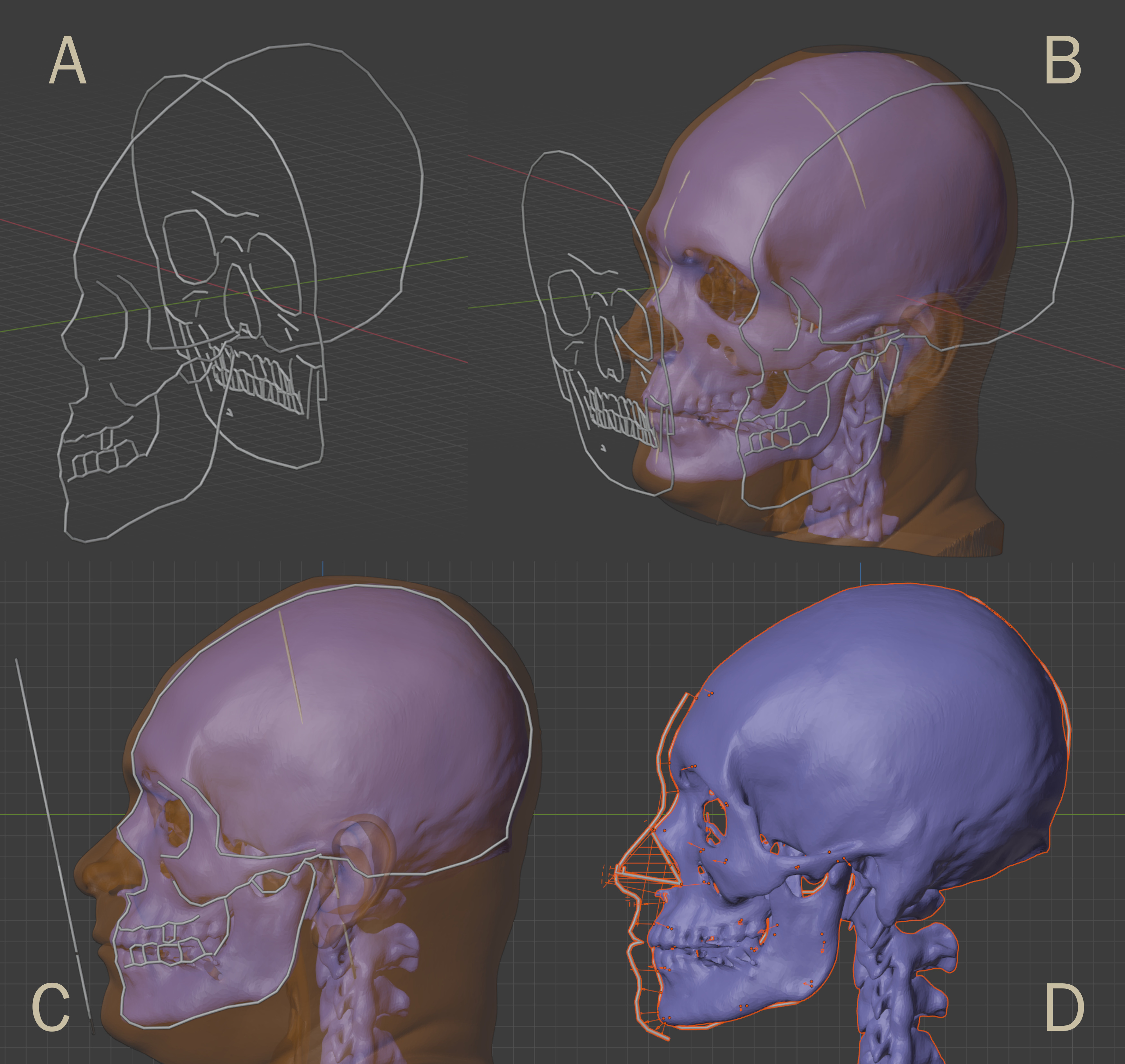
Fig. 42 Initial steps of facial approximation.
Using the two frontal images and the lateral image, it was possible to draw two two-dimensional skull outlines, corresponding to the frontal view (X and Z axes) and lateral view (Y and Z axes), encompassing the data in 3 dimensions (Fig. 42, A). These projections allow for modeling a structure based on proportion, but not to the correct scale. This was resolved with measurements taken from the skull reassembled in 1888 [Anthropologische_1888_d]. For skull modeling, the anatomical deformation technique was used, where a virtual donor’s CT scan is imported into the scene and the head is adjusted according to the reference—in this case, the two two-dimensional drawings of Beethoven’s skull (Fig. 42, B). The focus of the deformation or adjustment is to convert the donor skull into Beethoven’s skull, causing the soft tissue to reflect these adjustments and thereby providing a facial reference (Fig. 42, C). Another approach is used for facial projection: initially, a series of soft tissue thickness markers, based on a group of living Europeans measured by ultrasound [De_Greef_2006_d], are positioned along the resulting skull, providing boundaries for the soft tissue. Next, nasal projection is performed, based on measurements taken from CT scans of living individuals [Abdullah_et_al_2022_d]. This, along with the soft tissue thickness markers, provides the basis for tracing the facial profile (Fig. 42, D).
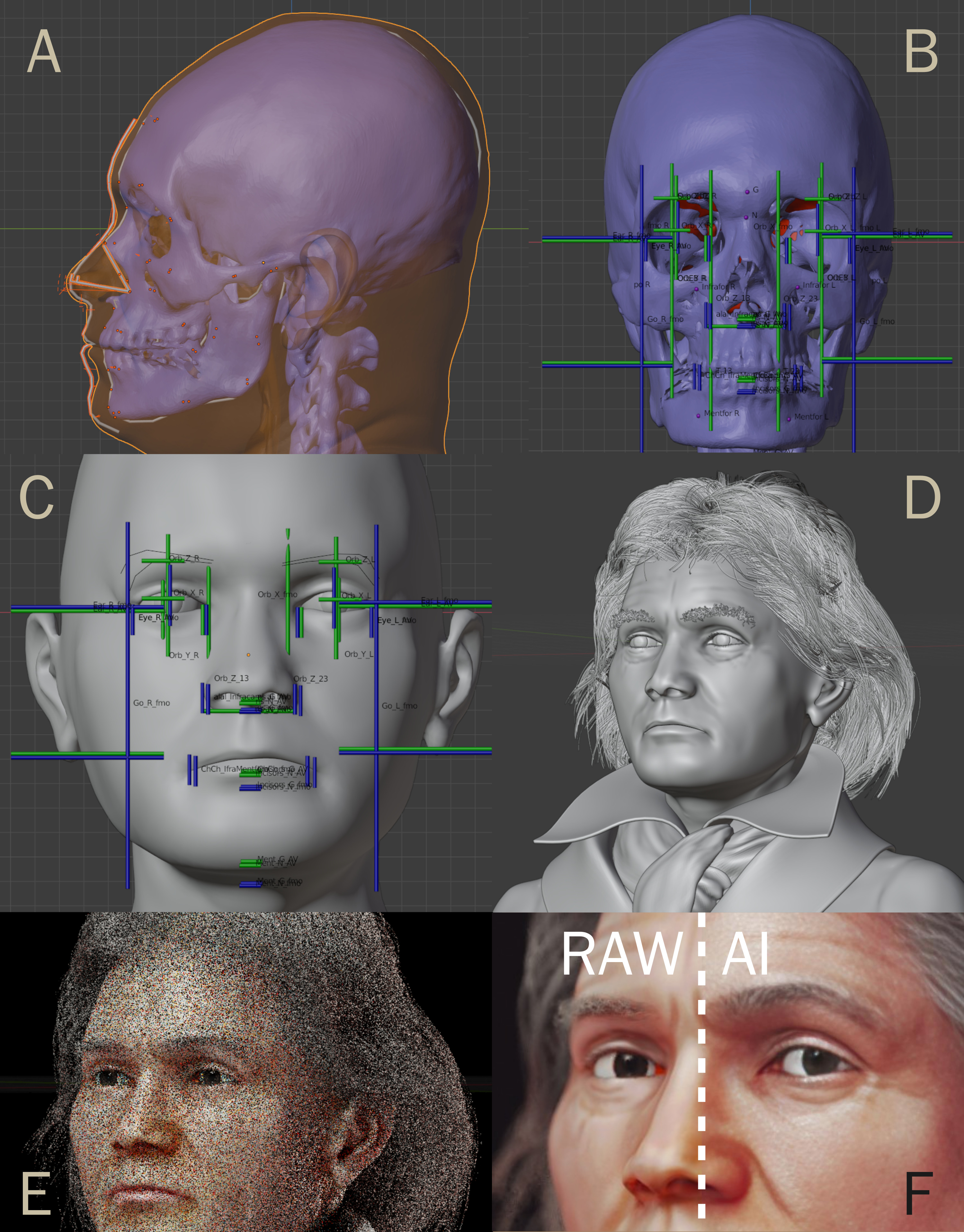
Fig. 43 Final steps of facial approximation.
The profile tracing proved compatible with the face resulting from anatomical deformation, with a slight difference in the chin area (Fig. 43, A). To further complement the facial approximation data, anatomical points are positioned on the skull, and an automatic projection of soft tissue and bone structures is made, based on measurements from CT scans of living individuals [Abdullah_et_al_2022_d] (Fig. 43, B). The basic face is the result of interpolating all previous projections (anatomical deformation, profile tracing, and structural projections of the skull and soft tissue) (Fig. 43, C). The bust is then detailed with expression lines to match the 50+ age group, along with clothing based on Joseph Karl Stieler’s famous painting from 1820 (https://commons.wikimedia.org/wiki/File:Beethoven.jpg) (Fig. 43, D). The scene receives digital lighting, and colors are adjusted, as are the graying hairs (Fig. 43, E). The final step of facial approximation involves enhancing facial details with the artificial intelligence (AI) tool Codeformer [Zhou_et_al_2022_d], integrated into the new (and still publicly unavailable) version of the add-on, named OrtogOnBlender XP. The tool’s weight is set to 1.0 to maintain the original structure’s form, not influencing the face’s structure, but minimally improving details (Fig. 43, F).

Anthropometric Measurements
In anthropometric studies, it’s common to estimate the height of the individual being analyzed. Biographical descriptions consulted indicate that Beethoven was a relatively short person, described as “shorter than average stature” in one account [Faucconier_2013_d]. This information is partially corroborated by a study that estimated his height at 1.65 m [Kubba_and_Young_1996_d]. However, that publication does not detail the methodology used to arrive at this value, which opens room for a more in-depth investigation in this work. One approach to estimating an individual’s height involves equations based on bone measurements. Fortunately, there are records of examinations performed on Beethoven’s remains during his first exhumation in 1863 [Heifert_1863_d], which provide the following metric measurements: ~41.28 cm for the femur, ~33.02 cm for the tibia, and ~30.40 cm for the humerus. With this data, a meta-analysis can be performed using formulas from six authors, available in two studies [Boldsen_1984_d] [Trotter_and_Gleser_1952_d], covering 13 distinct projections based on the femur, tibia, and humerus.
Another relevant measurement, endocranial volume, appears to be rarely or never addressed in academic publications. By leveraging the skull reconstruction, with the application of anatomical deformation and endocranial segmentation techniques, in addition to conversion to brain volume [Moraes_et_al_2023_d] [Moraes_et_al_2025_d], it will be possible to estimate a rarely explored value. Head circumference, useful in assessing normality patterns, will also be considered.
High Abilities/Giftedness and Genius
Beethoven is frequently recognized as a genius [Faucconier_2013_d] [Kubba_and_Young_1996_d] [Kauffman-Ortega_and_Diaz_2020_d], consistently appearing on lists of humanity’s greatest intellects (https://www.toptenz.net/10-great-minds-throughout-history.php). However, the condition of genius, though notable, may lack consistent psychometric or academic foundation. This study seeks to address the composer’s potential IQ [Cox_1926_d] and characteristics associated with genius, as described in works published by academics [Davidson_2017_d] [Simonton_2009_d].
Results and Discussion
Forensic Facial Approximation
Three groups of images related to facial approximation were generated:
Basic and objective: This group contains only simple, grayscale structures, without details like expression lines or texturing, focusing on the fundamental elements of the face. This is the most consistent result that the facial approximation technique can offer. However, while more precise and satisfying for forensic specialists, it’s not usually widely appreciated by the general public, as it lacks broader humanization (Fig. 44).
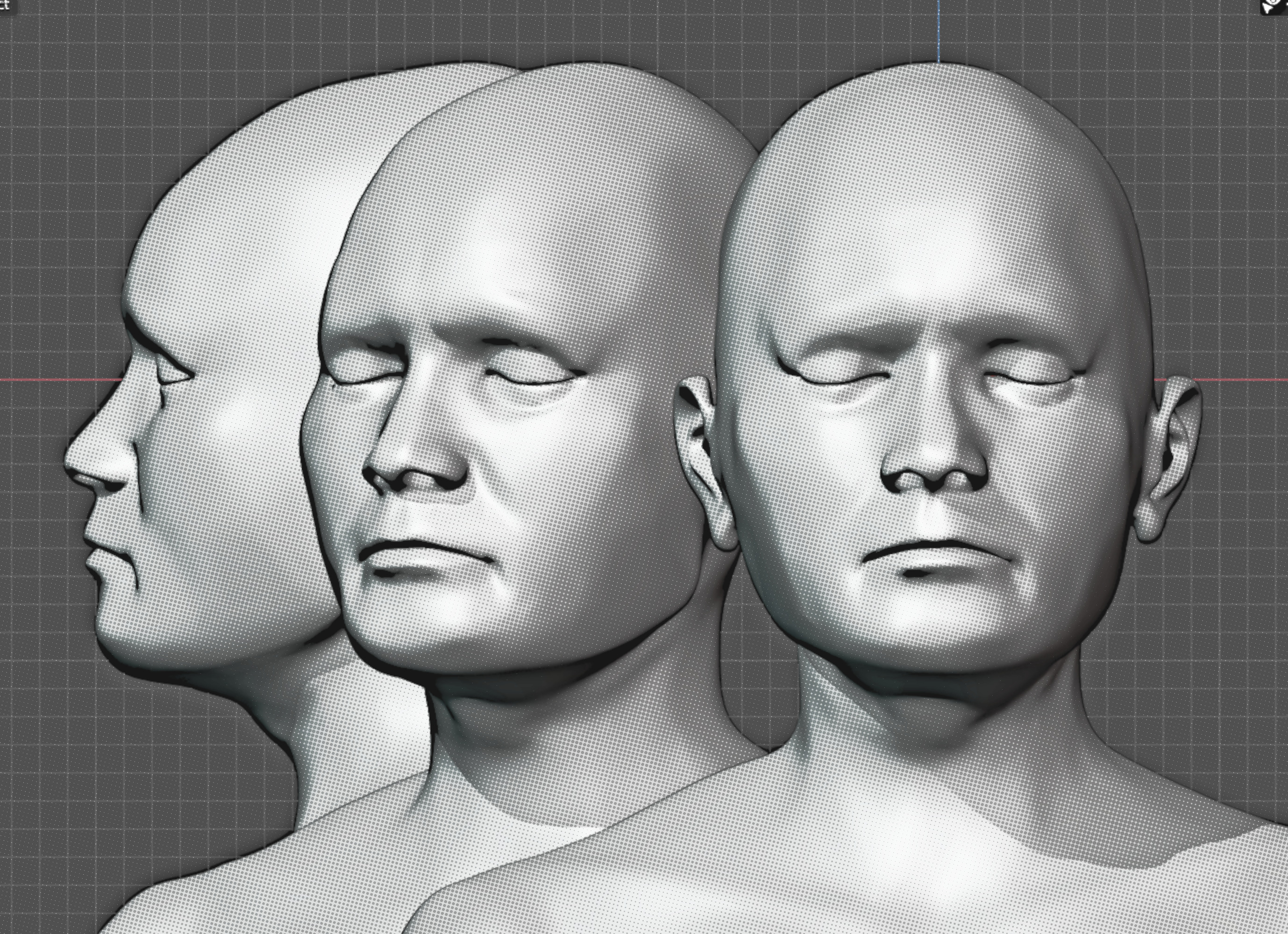
Fig. 44 Basic objective facial approximation.
Basic and detailed: This set of images shows the bust with more detailed expression and texturing, but still with closed eyes and in grayscale. It’s the middle ground between the objective and artistic images (Fig. 45).
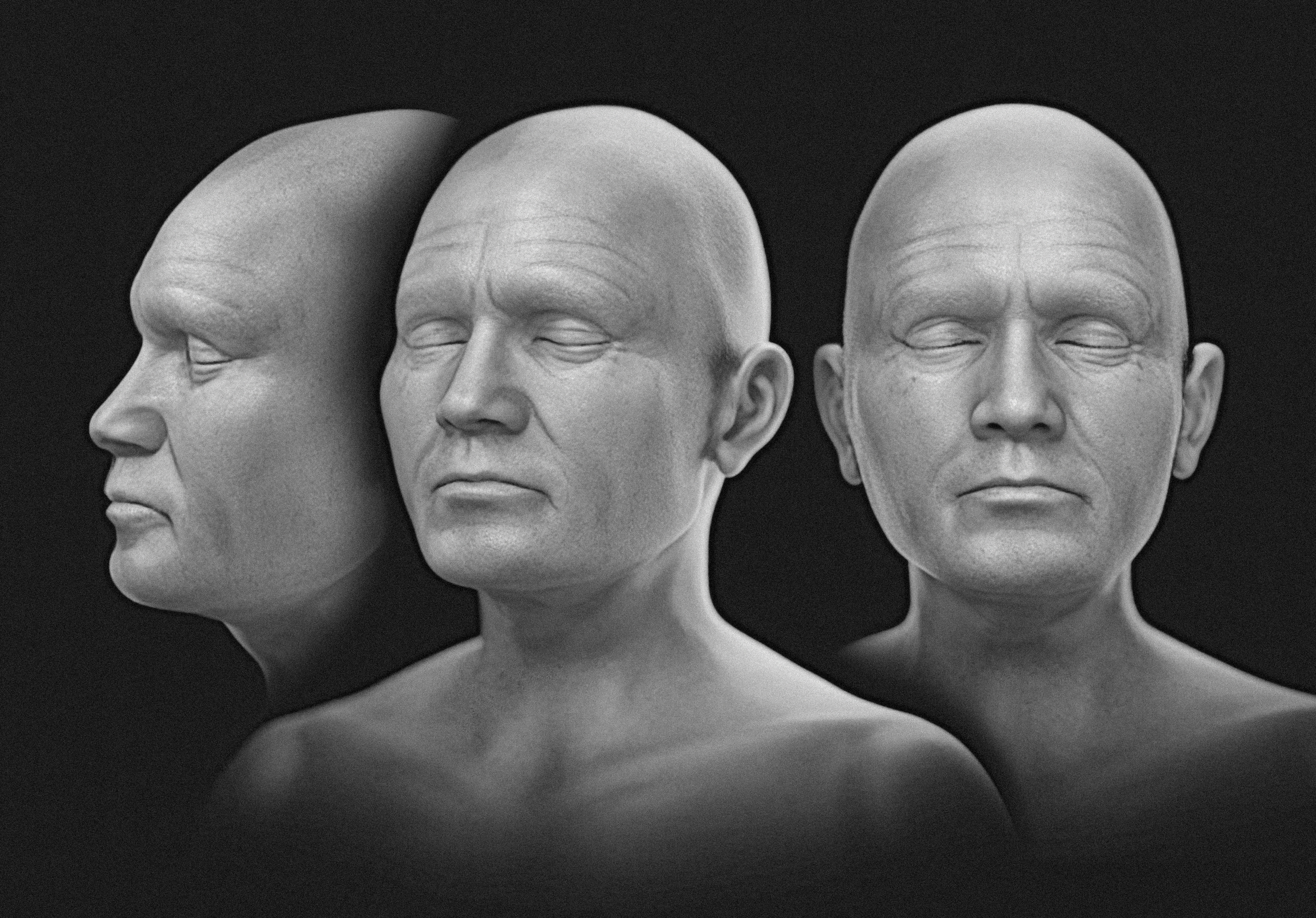
Fig. 45 Objective facial approximation with structural details.
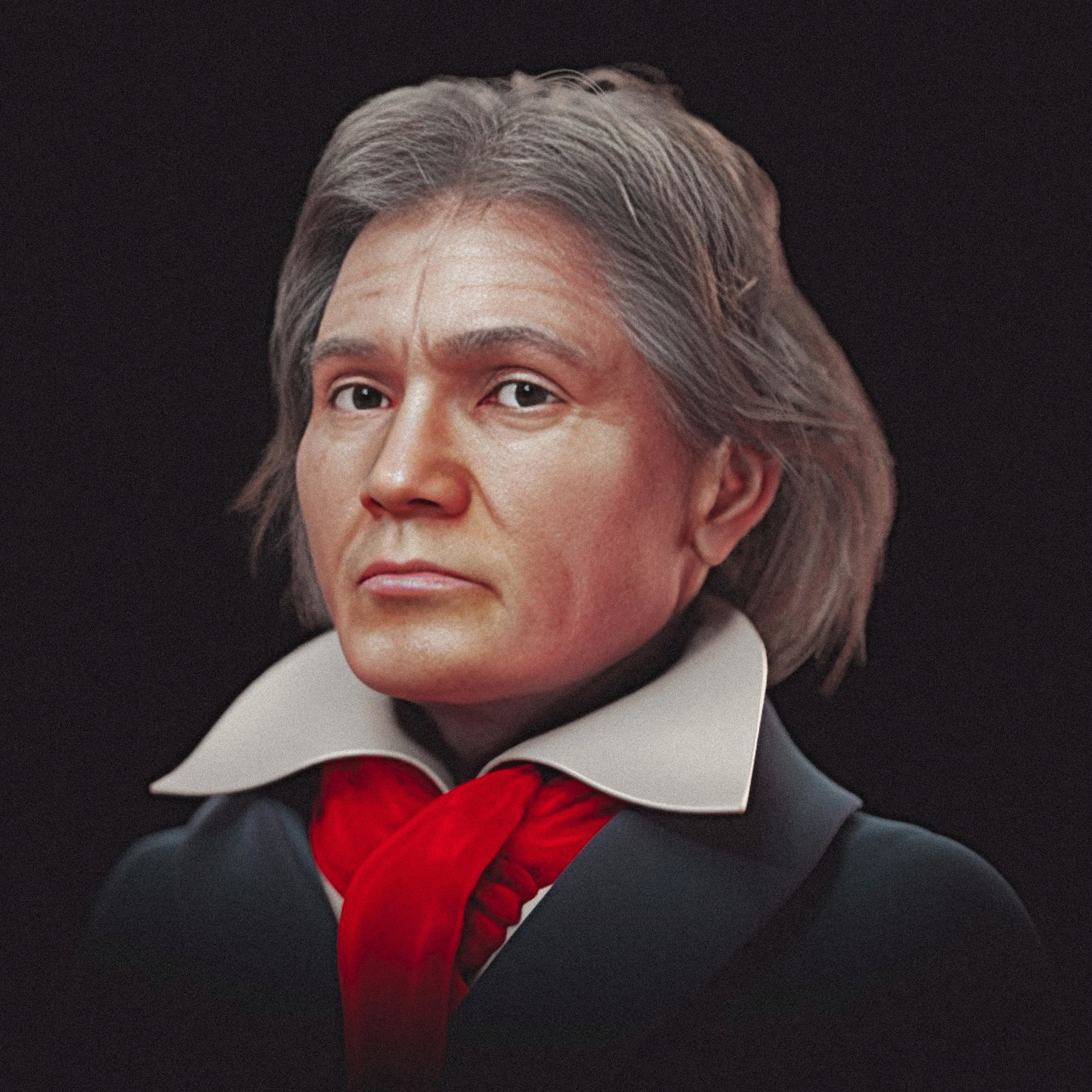
With artistic and speculative elements: This group of images includes pigmentation for elements where only historical data exists, such as skin, eye, and hair color, clothing, and eye shape. While maintaining the objective structure of the previous images, it incorporates an artistic touch that appeals to a broader, non-specialist audience (Fig. 46, Fig. 47, Fig. 48).
Fig. 46 Artistic facial approximation - 3/4.
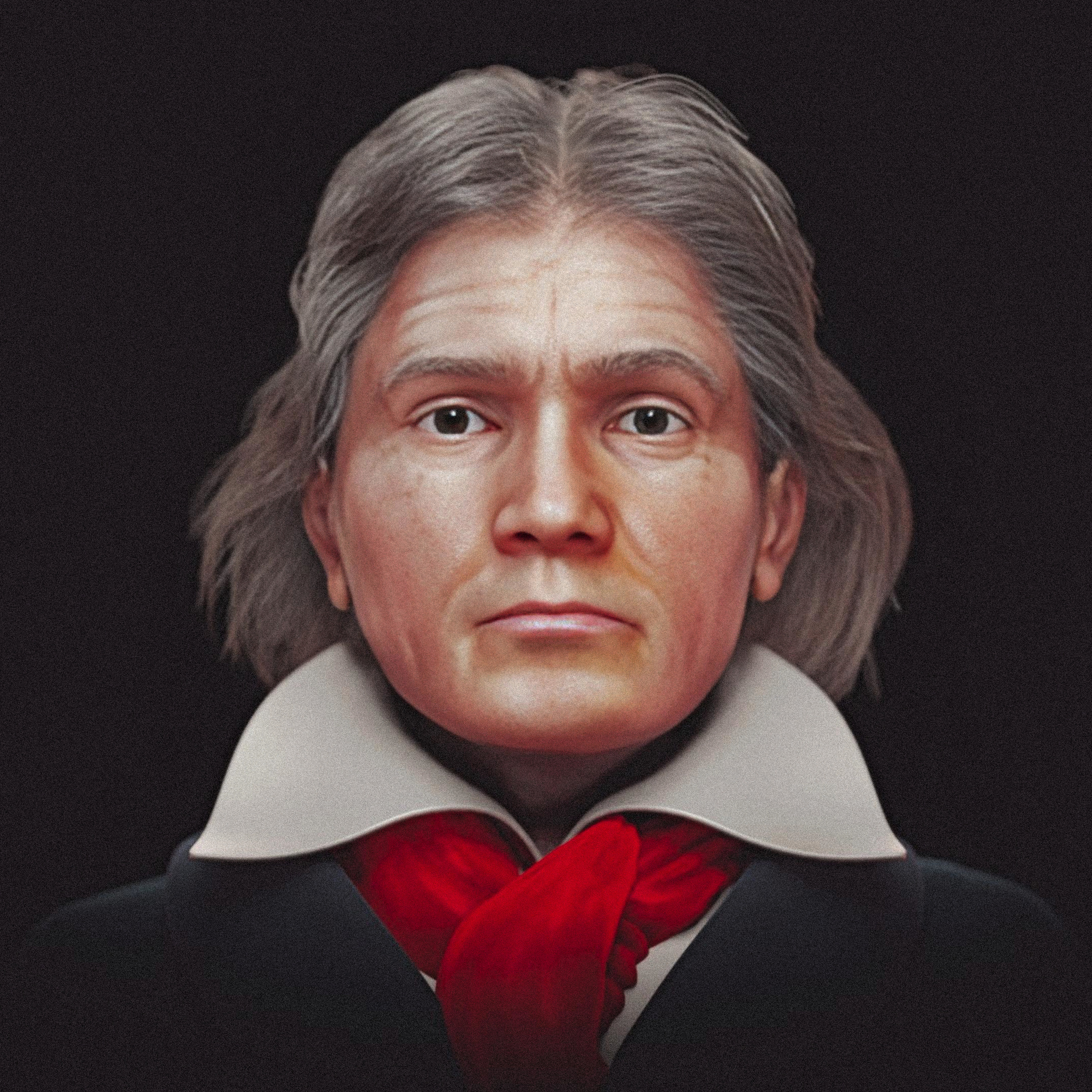
Fig. 47 Artistic facial approximation - frontal.
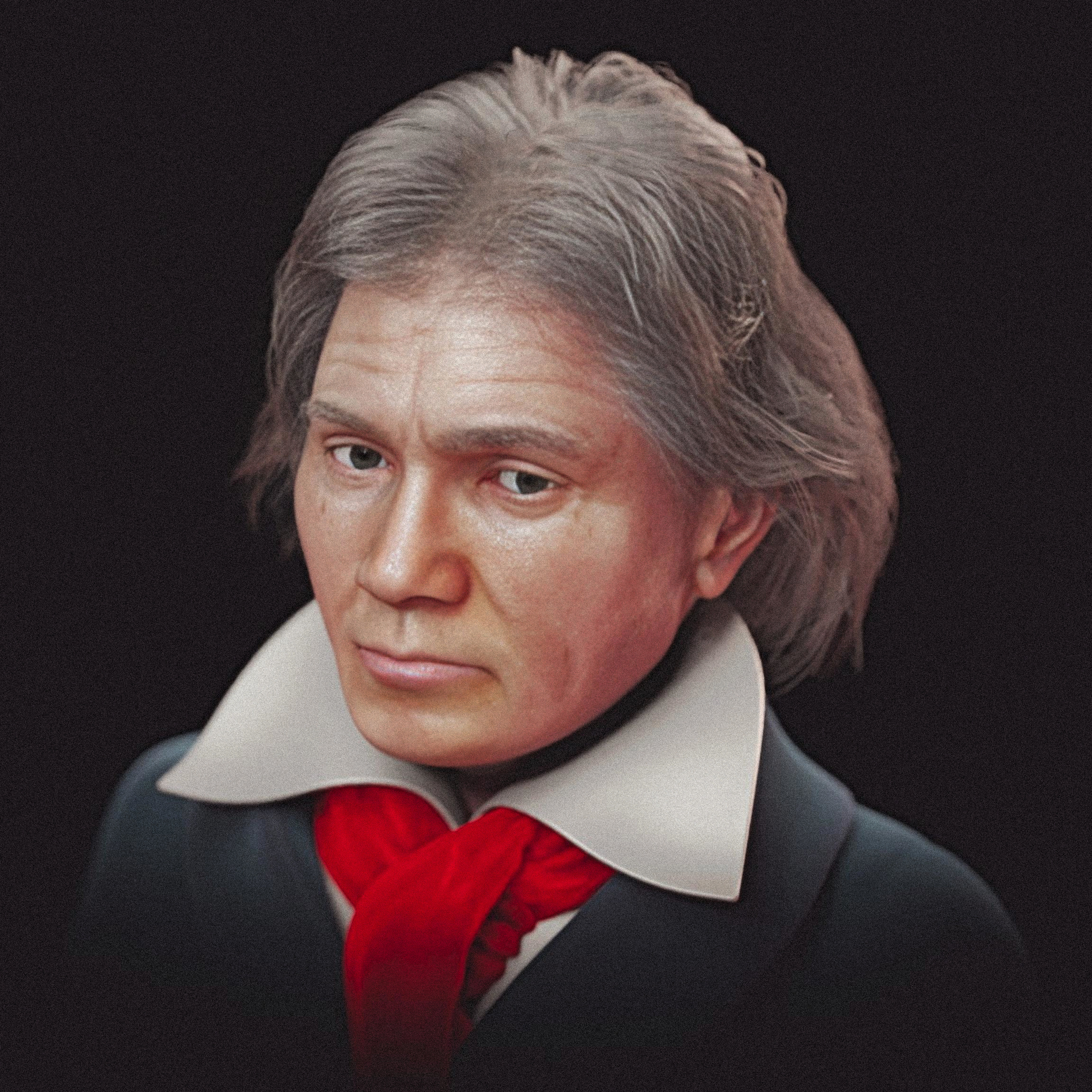
Fig. 48 Artistic facial approximation - upper.
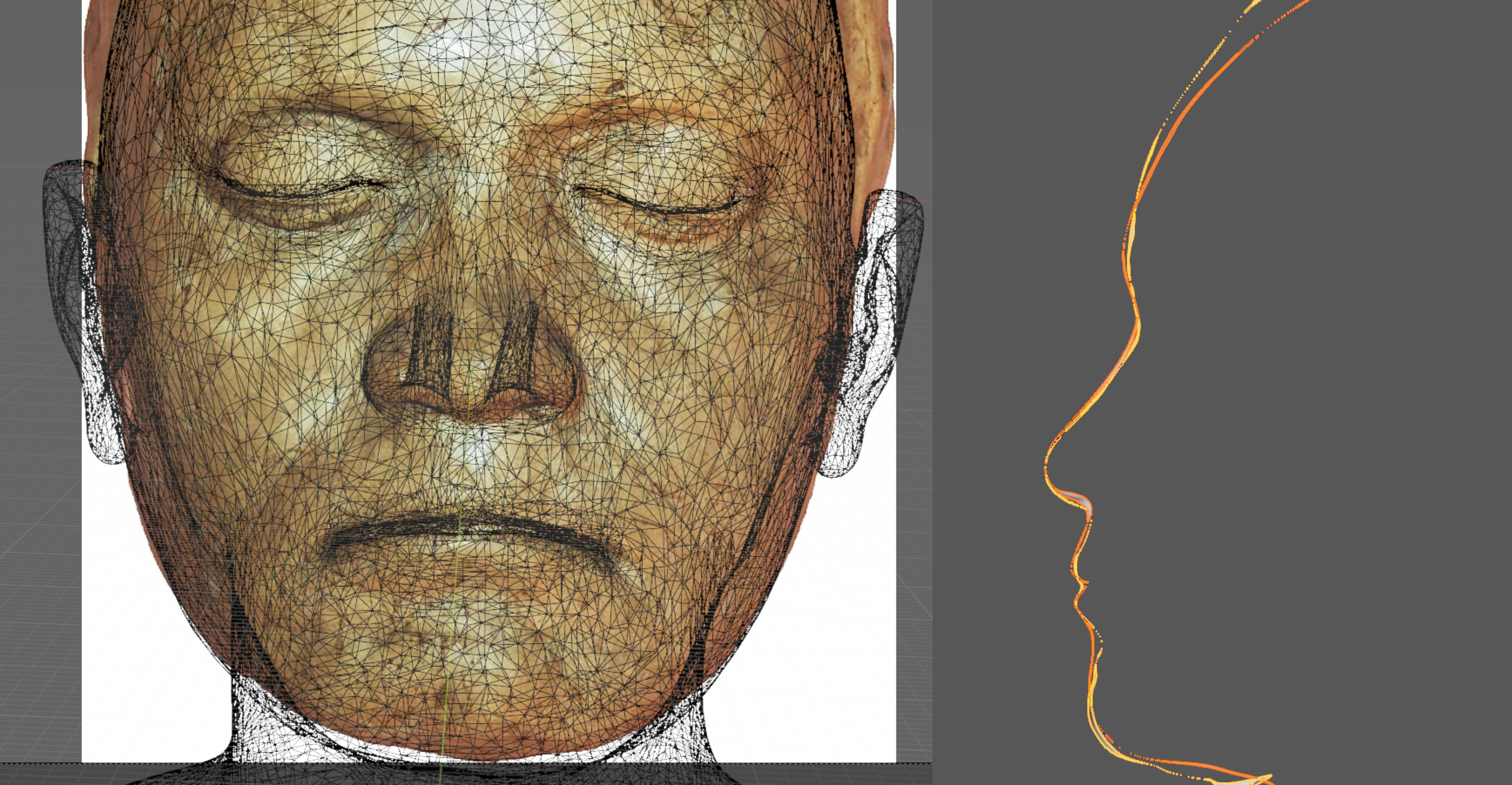
Fig. 49 Comparison with the life mask (1810), on the left with a photograph (Masque de Beethoven - Perky https://commons.wikimedia.org/wiki/File:Masque_de_Beethoven.jpg); on the right with the Digitus.art scan (PBR Version Lebendmaske Ludwig van Beethoven - https://skfb.ly/6SqRo).

Two comparisons were made with Beethoven’s life mask (not to be confused with a death mask, as it was made during his lifetime). One comparison was made with an image available on Wikimedia Commons and showed significant compatibility from the front, differing slightly in the nose’s inclination. This might be because the mask compressed the structure, while the facial approximation reflects the expected inclination from the nasal crest (Fig. 49, left). The other comparison was a lateral view, using a model available on the Sketchfab portal as a base, also demonstrating great compatibility with the overall shape, differing slightly in the upper forehead and lower chin, along with a minor difference in the nose’s inclination (Fig. 49, right).
Despite the high compatibility, the facial approximation process is a recognition tool, not an identification tool. Often, compatibility between a skull, its approximation, and derivative pieces like life masks or painted portraits can be mere coincidence. This doesn’t seem to be the case with this work, given that the exhumation of the remains reinforced the body’s authenticity [Anthropologische_1888_d].
Anthropometric Measurements
Regarding other measurements taken, the meta-analysis (Table 1) involving Beethoven’s height and a series of different authors and bones resulted in an average of approximately 1.62m, with a range from 1.58m to 1.66m. Knowing that some accounts classify him as being of a stature more compatible with short than average [Faucconier_2013_d], it’s reasonable to infer that he could have been between 1.62m and 1.66m. This corroborates another analysis discussed in this material [Kubba_and_Young_1996_d].
Regarding cranial capacity, Beethoven’s endocranium resulted in a volume of ~1450 cm³, which, converted to brain volume (-9.81%) [Moraes_et_al_2023_d], yields ~1307 cm³. This places him within the normal range for modern males, slightly above the average of 1234 (±98) cm³ [Ritchie_2018_d]. Concerning head circumference, Beethoven’s measured 57 cm, a bit above the average for adult males, which is 56.3 cm (±2.6) [Costa_et_al_2022_d].
Study |
Bone |
Estimated Height (cm) |
|---|---|---|
Boldsen (1984) |
Femur |
156.75 |
Boldsen (1984) |
Tibia |
161.81 |
Trotter e Gleser (1952) |
Femur |
159.65 (±3.3) |
Trotter e Gleser (1952) |
Tibia |
161.83 (±3.37) |
Trotter e Gleser (1952) |
Humerus |
166.26 (±4.05) |
Breitinger (1937) |
Femur |
162.01 (±4.8) |
Breitinger (1937) |
Humerus |
166.10 (±4.9) |
Dupertius & Hadden (1951) |
Femur |
164.57 (±3.4) |
Dupertius & Hadden (1951) |
Humerus |
167.53 (±4.6) |
Pearson (1899) |
Femur |
158.89 (±3.2) |
Pearson (1899) |
Humerus |
158.80 (±3.2) |
Telkka (1950) |
Femur |
158.54 (±4.9) |
Telkka (1950) |
Humerus |
160.62 (±5) |
Average |
161.80 (±4.02) |
However, data related to the upper portion of the head should be viewed with some caution, as the skull reconstruction was based on only two viewpoints: frontal and lateral. The ideal scenario for this type of reconstruction would involve more images between different viewpoints, which would allow for the capture of additional structural data. Furthermore, according to reports from specialists who worked on the composer’s skull, the sawing performed during the autopsy was crude, which may have caused structural loss or disorganization in the anatomical piece [Heifert_1863_d] [Meredith_2005_d]. The fact is that only this material was available, and the study did the best possible with the given data. The compatibility of the life mask with the approximation indicates that the approach is consistent.
High Abilities/Giftedness and Genius
As discussed earlier, Beethoven is a recurring figure in lists of great musical and human geniuses, leading many to imagine him as possessing high abilities/giftedness, a modern term used to identify individuals with above-average intelligence. These assessments are typically conducted over several sessions, accompanied by a psychology specialist who administers psychometric tests, the most popular being the Wechsler and Stanford-Binet scales. Broadly speaking, these tests provide an intelligence quotient (IQ) score, with an average of 100, and classify intelligence based on standard deviations, generally defining an individual with high abilities/giftedness as being above two standard deviations. Considering the commonly used standard deviation of 15 (though it may vary, reaching up to 25 depending on the approach), two standard deviations result in 100 (average) + 30 (resulting from 15 × 2) = 130. Thus, from 131 onward, an individual could be considered to have significantly above-average intelligence, which aligns, for example, with the cutoff line for Mensa (https://www.mensa.org/), a society for gifted individuals [Moraes_2025_d].
IQ assessment tools are relatively recent (1905), making it impossible to apply them to Beethoven during his lifetime (1770–1827). However, an approach using historiometry, the psychological study of an individual’s personality and abilities, sought to infer what the composer’s intelligence quotient might have been.
According to Cox (1926) [Cox_1926_d], Beethoven would have had an IQ range of 135–140. Considering a normal distribution, this would place him in approximately the top ~1% or ~0.60% of the population, which is significant but far from reflecting the magnitude of his legacy. Before proceeding, it is important to note that this study explicitly states that it is merely a projection, and the presented correlation of 0.43 is, in itself, very weak. Additionally, there are other issues related to the sample and decisions about what would influence the final result, as discussed by Simonton (2016) [Simonton_2016_d].
Despite the structural problems, this is the only published study that attempted to infer Beethoven’s IQ. An interesting point to note is that Catherine Cox, the study’s author, worked with Lewis M. Terman, who had arbitrarily defined genius as an IQ of 140 or higher [Simonton_2016_d]. Terman conducted a longitudinal study with 1,528 “genius children” with IQs of 140 or above, tracking them for decades. However, none of these individuals achieved significant prominence in adulthood, and none received a Nobel Prize. Ironically, two candidates who were disqualified for having IQs in the 130–139 range later received the award as adults [Davidson_2017_d]. This reality is supported by the indication that individuals with extremely high IQs rarely produce original work [Simonton_2009_d]. Additionally, another issue related to the standardization of IQ assessment studies is that, as the validation samples for the most popular tests range from 2,000 to 4,800 individuals, this makes the rarer ranges highly volatile and statistically fragile, limiting the robustness of the approach for IQs of 139 on the Wechsler scale and 143 on the Stanford-Binet scale [Moraes_2025_d]. Thus, the estimated range for Beethoven places him at the statistical limit for IQ and within the spectrum of potential genius, as the threshold was lowered from 140 to 130 or above [Simonton_2009_d].
Given the limitations related to Beethoven’s potential IQ and the fact that this marker alone does not represent a robust indicator of genius, some historical aspects of the composer were analyzed in light of various concepts attributed to genius (Fig. 9), based on the approaches of [Davidson_2017_d] and [Simonton_2009_d].
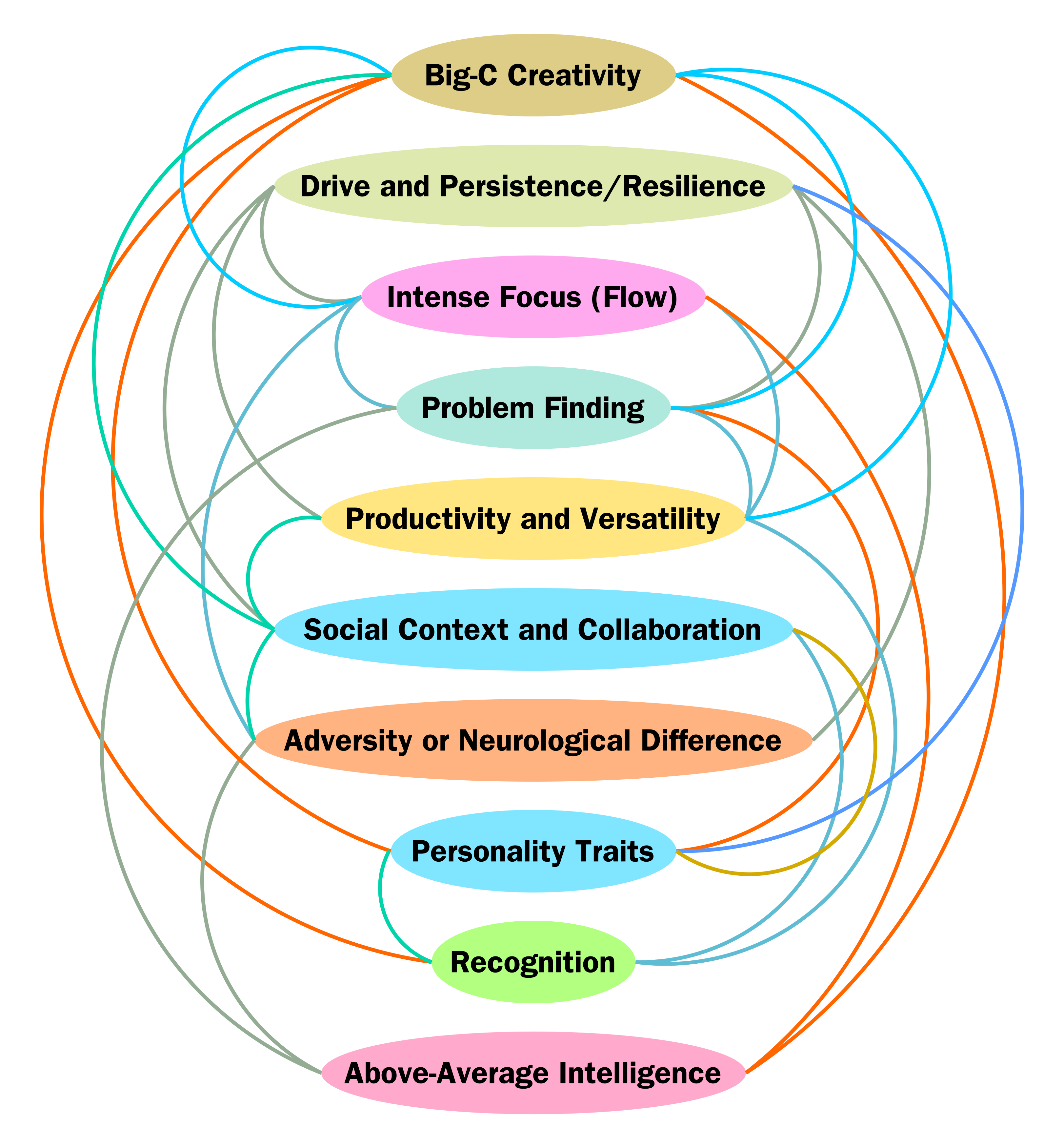
Fig. 50 Relationship between concepts illustrating potential genius.
1. Creative Greatness (Big-C): A genius is expected to produce extraordinary originality and utility in their creations, capable of transforming an established field or founding a new one. This trajectory, however, involves personal sacrifices and risks, as their ideas are not always well-received. To achieve such a level, a significantly above-average degree of intelligence is also expected.
Just as Leonardo da Vinci did not invent drawing but distinguished himself significantly in this art form, Beethoven did not invent classical music but broke paradigms, to the point of shocking some contemporary listeners and critics [Faucconier_2013_d].
2. Drive and Persistence/Resilience: Texts on this topic frequently discuss the “10-year rule,” illustrating that to achieve proficiency in a subject, the individual needs to dedicate at least a decade of focused study and effort. In this process, they must overcome both personal and professional obstacles, surmounting difficulties and achieving their goals.
Although Beethoven developed his skills at a young age, he became a great composer in adulthood, particularly in middle age, a period marked by problems that afflicted him until the end of his life, such as unstable health and hearing loss. Initially prolific, he gradually became a composer more focused on revising, correcting, and refining his works, transforming some of them into universally appreciated art that remains celebrated to this day [Faucconier_2013_d] [Cox_1926_d] [Kauffman-Ortega_and_Diaz_2020_d].
3. Intense Focus (Flow): A common pattern in this context is that the individual, often hyper-focused, immerses themselves deeply in the studied subject, sometimes losing track of time.
Beethoven lived in a very simple place with few furnishings and was often immersed in his creations. His hyper-focus on his work was well-documented and notable, even serving as a psychological anchor in the face of challenges posed by his health and interpersonal difficulties. While he demonstrated great dedication to his artistic work, this intensity was so great that it could reflect in his well-known self-neglect [Kubba_and_Young_1996_d] [Meredith_2005_d].
4. Problem Finding: A potential genius stands out by identifying new or previously unrecognized problems by specialists. With preparation to tackle them, they dedicate themselves to the necessary immersion to study and develop them, combining insights and interdisciplinary synthesis (integrating knowledge, methods, and perspectives from different fields) as a basis for achieving the intended goal.
In addition to works that broke the artistic paradigms of his time, a well-explored aspect of Beethoven’s story that exemplifies the concept of a problem-solver is how he overcame the limitation imposed by his deafness to create works of such sonic beauty, which in itself seems ironic, improving his approach over the years as his condition worsened [Faucconier_2013_d] [Cox_1926_d] [Kauffman-Ortega_and_Diaz_2020_d] [Kubba_and_Young_1996_d].
5. Productivity and Versatility: One expected outcome is high productivity, consistently marked by more failures and, naturally, more successes, often across multiple domains with multidisciplinary synthesis.
Beethoven was a prolific creator of works, but despite his extensive knowledge and musical skill, this did not exempt him from facing numerous failures. An episode that illustrates the issue of error, correction, and overcoming is his only opera, Fidelio, which was initially a failure but, years later, after revisions, became a great triumph [Faucconier_2013_d].
6. Social Context and Collaboration: Although it may seem counterintuitive, as many geniuses prefer to work alone, it is essential that their achievements be recognized and disseminated (benefiting others). For this, collaboration with others is crucial, as they can evaluate, refine, and even enhance what is presented. This process is especially valuable in institutional or academic contexts, such as peer review, in public or commercial spheres (clients), where solutions are received, accepted, or adjusted based on feedback.
Beethoven’s aversion to social interaction was well-known, but in his time, isolation could have been catastrophic. Fortunately, he was adept at working with the publishers who disseminated his works, which allowed his fame to expand and ensured satisfactory financial returns [Faucconier_2013_d].
7. Adversity or Neurological Difference: There seems to be a certain correlation between traumatic experiences or neurological characteristics (possibly psychopathological) that contribute to divergent creativity.
Beethoven likely suffered from chronic irritability (irascibility) and frequently lashed out at both strangers and loved ones, which distanced many people, although he later showed remorse [Faucconier_2013_d]. These behaviors are consistent with modern conditions such as intermittent explosive disorder (IED), though there is no formal diagnosis. The reasons for such behavior can vary, but in the composer’s case, sensitivity seems to play a prominent role, as “feeling too much” is a common trait in artistic circles.
8. Personality Traits: Dissatisfaction with the status quo, combined with openness to new experiences, intellectual boldness, and a willingness to take risks, is a frequently observed characteristic in this context.
Beethoven appreciated revolutionary ideas and often disrespected even those who financially supported him, demonstrating a disregard for some prevailing social norms. It appears he had no fear of expressing his opinions, which often left interlocutors and patrons somewhat tense. Despite Vienna’s laws and structure being heavily influenced by religious roots, the composer showed little attachment to this institution, earning criticism from some, such as the renowned Haydn, who called him an atheist. Beethoven’s music itself was, in a way, a demonstration of boldness, whether due to the complexity that intimidated and challenged the musicians who performed it (or failed to, as often happened) or for the audiences and critics who, on many occasions, were unprepared to appreciate it [Faucconier_2013_d].
9. Recognition: The acceptance of contributions in public and institutional spheres, as well as presence in the media, academic publications, and the practical use of proposed innovations.
During his lifetime, the composer enjoyed great prestige, to the point that his funeral was attended by approximately 20,000 people, as frequently cited [Meredith_2005_d] [Faucconier_2013_d]. Posthumously, his fame reached stratospheric levels, making him a popular figure even among those who do not appreciate classical music.
Beethoven was so significant that he was used as a pretext for the Compact Disc (CD) media standard, which was highly popular from the late 1980s to the early 2000s. Although, according to a member of the creators’ team, the real reason was commercial, manufacturers Sony and Philips claimed the disc was configured at 120mm to accommodate the Ninth Symphony conducted by Wilhelm Furtwängler in 1951, which lasted 74 minutes, almost exactly the duration allowed by the CD [Immink_2007_d].
10. Above-Average Intelligence: In older references, a genius was considered a person with an IQ above 140, but authors agree that an IQ of 130 or higher is already a good predictor, without the need for higher values.
Coincidentally, this aligns with the posthumous estimate of Beethoven’s IQ in the 135–140 range [Cox_1926_d], which, although not based on a formal test and subject to much criticism, seems plausible. However, regarding the question of genius, the weight of IQ is minimal. Moreover, considering the limited robustness of modern tests in the 139–143 IQ range [Moraes_2025_d], Beethoven’s genius rests far more on his lifetime achievements and current influence than on psychometric data, which have proven unreliable for identifying individuals in the realm of genius.
Based on contextual observations and information extracted from the two researched works [Davidson_2017_d] [Simonton_2009_d], a genius can be defined as:
An individual with above-average intelligence, endowed with great persistence and resilience to study an identified subject or problem for consecutive years, often challenging the established status quo, relying on interdisciplinary synthesis, and being open to the risks and sacrifices necessary to achieve results, which, once attained, are shared and receive social, academic, or institutional recognition. This process often transforms an existing domain or creates a new one, capable of maintaining influence and prestige for many years.
Beethoven undoubtedly fits this description, and in his case, that prestige has endured for centuries.
Conclusion
This study represents a significant advancement in understanding Ludwig van Beethoven, not only as a musical icon but as a complex human figure marked by personal challenges and singular genius. The forensic facial approximation, based on photographs of the skull authorized by the Beethoven-Haus Bonn, resulted in a visual reconstruction that humanizes the composer, consistent with historical records such as his life mask. The anthropometric meta-analysis indicated an average height of ~1.62 m (1.58-1.66 m), aligned with historical accounts, while the measurement of cranial capacity (~1307 cm³) and head circumference (57 cm) places Beethoven within the range of normality, with values slightly above average. The analysis of his intelligence, combined with the evaluation of traits such as creative greatness, resilience, hyperfocus, and problem-solving ability, reinforces Beethoven’s classification as a genius whose influence transcends centuries. Despite the limitations posed by cranial reconstruction and the fragility of posthumous psychometric estimates, this work demonstrates the potential of interdisciplinary approaches to enrich the study of historical figures, offering new perspectives on their life, work, and cultural impact.
Acknowledgments
The author expresses deep gratitude to the Beethoven-Haus Bonn (www.beethoven.de), and specifically to Friederike Grigat, M.A., Head of the Library and Digital Archive, for maintaining the freely accessible Digital Archive and for her kind authorization to use historical photographs of Ludwig van Beethoven’s skull, and for valuable feedback that improved this study. This collaboration reflects the institution’s commitment to preserving Beethoven’s legacy and advancing knowledge, enabling new perspectives on the composer’s history and genius. Thanks are also extended to Dr. Richard Gravalos, who provided the tomography of the virtual donor, enabling the reconstruction of the skull and part of the facial approximation structure.
References
Abdullah, J. Y., Moraes, C., Saidin, M., Rajion, Z. A., Hadi, H., Shahidan, S., & Abdullah, J. M. (2022). Forensic Facial Approximation of 5000-Year-Old Female Skull from Shell Midden in Guar Kepah, Malaysia. Applied Sciences, 12(15), 7871. https://doi.org/10.3390/app12157871
Anthropologische Gesellschaft in Wien. (1888). Bericht über die an den Gebeinen Ludwig van Beethoven’s gelegentlich der Uebertragung derselben aus dem Währinger Orts-Friedhofe auf den Central-Friedhof der Stadt Wien am 21. Juni 1888 vorgenommene Untersuchung. In Anhang zu den Sitzungsberichten der Anthropologischen Gesellschaft in Wien (Nos. 4-6).
Baldasso, R. P., Moraes, C., Gallardo, E., Stumvoll, M. B., Crespo, K. C., Strapasson, R. A. P., & de Oliveira, R. N. (2020). 3D forensic facial approximation: Implementation protocol in a forensic activity. In Journal of Forensic Sciences (Vol. 66, Issue 1, pp. 383–388). Wiley. https://doi.org/10.1111/1556-4029.14587
Boldsen J. (1984). A statistical evaluation of the basis for predicting stature from lengths of long bones in European populations. American journal of physical anthropology, 65(3), 305–311. https://doi.org/10.1002/ajpa.1330650310
Costa, N. R. da, Mancine, L., Salvini, R., Teixeira, J. de M., Rodriguez, R. D., Leite, R. E. P., Nascimento, C., Pasqualucci, C. A., Nitrini, R., Jacob-Filho, W., Lafer, B., Grinberg, L. T., Suemoto, C. K., & Nunes, P. V. (2022). Microcephaly measurement in adults and its association with clinical variables. In Revista de Saúde Pública (Vol. 56, p. 38). Universidade de Sao Paulo, Agencia USP de Gestao da Informacao Academica (AGUIA). https://doi.org/10.11606/s1518-8787.2022056004175
Cox, C. M. (1926). The early mental traits of three hundred geniuses. In L. M. Terman (Ed.), Genetic studies of genius: Vol. II. Stanford University Press. Recuperado de https://reader.library.cornell.edu/docviewer/digital?id=hearth4216772_320#page/420/mode/1up
Davidson, J. E. (2017). Genius, Eminence, and Giftedness. In Reference Module in Neuroscience and Biobehavioral Psychology. Elsevier. https://doi.org/10.1016/b978-0-12-809324-5.06435-x
De Greef, S., Claes, P., Vandermeulen, D., Mollemans, W., Suetens, P., & Willems, G. (2006). Large-scale in-vivo Caucasian facial soft tissue thickness database for craniofacial reconstruction. In Forensic Science International (Vol. 159, pp. S126–S146). Elsevier BV. https://doi.org/10.1016/j.forsciint.2006.02.034
Fauconnier, B. (2013). Beethoven. Porto Alegre: Editora L&PM.
Heifert, J.-A. F. von. (1863). Aktenmäßige Darstellung der Ausgrabung und Wiederbeisetzung der irdischen Reste von Beethoven und Schubert: Veranlaßt durch die Direction der Gesellschaft der Musikfreunde des österreichischen Kaiserstaates im October 1863. Gerold. https://data.onb.ac.at/rep/105940A2
Immink, K. A. S. (2007). Shaking the tree: Shannon, Beethoven, and the compact disc. IEEE Information Theory Newsletter. Retrieved from https://www.turing-machines.com/pdf/beethoven.pdf
Kauffman-Ortega, E., & Valdovinos-Díaz, M. A. (2020). In memoriam Ludwig van Beethoven. Historia clínica y posibles diagnósticos del genio de la composición musical en el silencio. Revista de Gastroenterología de México, 85(4), 375–378. https://doi.org/10.1016/j.rgmx.2020.07.003
Kubba, A. K., & Young, M. (1996). Ludwig van Beethoven: a medical biography. The Lancet, 347(8995), 167–170. https://doi.org/10.1016/s0140-6736(96)90346-3
Meredith, W. (2005). The history of Beethoven’s skull fragments Part One. https://www.meduniwien.ac.at/web/fileadmin/content/presseservice/pdf/Meredith_2005_skullstory_1.pdf
Moraes, C. (2025). An Approach to the 98th and 99th Percentiles in Standardized IQ Tests. Elsevier BV. https://doi.org/10.2139/ssrn.5182449
Moraes, C., Habicht, M. E., Galassi, F. M., Varotto, E., & Beaini, T. (2023). Pharaoh Tutankhamun: a novel 3D digital facial approximation. Italian Journal of Anatomy and Embryology, 127(1), 13–22. https://doi.org/10.36253/ijae-14514
Moraes, C., Šindelář, J., Habicht, M. E., Sineo, L., Beaini, T., Varotto, E., & Galassi, F. M. (2025). The Facial approximation of the controversial skull attributed to Wolfgang Amadeus Mozart (1756–1791). Anthropological Review, 87(4), 89–101. https://doi.org/10.18778/1898-6773.87.4.06
Reiter, C. (2022). On the authenticity of Beethoven’s skull fragments from the estate of Prof. Dr. Romeo Seligmann. Wiener Medizinische Wochenschrift. https://doi.org/10.1007/s10354-022-00985-4
Ritchie, S. J., Cox, S. R., Shen, X., Lombardo, M. V., Reus, L. M., Alloza, C., Harris, M. A., Alderson, H. L., Hunter, S., Neilson, E., Liewald, D. C. M., Auyeung, B., Whalley, H. C., Lawrie, S. M., Gale, C. R., Bastin, M. E., McIntosh, A. M., & Deary, I. J. (2018). Sex Differences in the Adult Human Brain: Evidence from 5216 UK Biobank Participants. In Cerebral Cortex (Vol. 28, Issue 8, pp. 2959–2975). Oxford University Press (OUP). https://doi.org/10.1093/cercor/bhy109
Simonton, D. K. (2016). Reverse engineering genius: historiometric studies of superlative talent. Annals of the New York Academy of Sciences, 1377(1), 3–9. https://doi.org/10.1111/nyas.13054
Trotter, M., & Gleser, G. C. (1952). Estimation of stature from long bones of American Whites and Negroes. American Journal of Physical Anthropology, 10(4), 463–514. https://doi.org/10.1002/ajpa.1330100407
Zhou, S., Chan, K. C. K., Li, C., & Loy, C. C. (2022). Towards Robust Blind Face Restoration with Codebook Lookup Transformer (Version 2). arXiv. https://doi.org/10.48550/ARXIV.2206.11253